The Paris Agreement’s “stretch goal” of limiting warming to 1.5 C above preindustrial levels is no longer feasible, according to an analysis of 15 market outlooks compiled by think tank Resources for the Future.
Energy-related CO₂ surpassed 38,000 million metric tons in 2024, and most forecasts don’t expect a peak until sometime between 2030 and 2035, with reductions by 2050 varying significantly. The most aggressive projection — the International Energy Agency’s Net Zero scenario — demands emissions fall by 13.4% every year through 2050 (the steepest drop this century was 5%, during COVID-19 shutdowns). Renewables will keep reshaping the energy mix, rising from roughly 15% of primary energy in 2024 to more than 20% by 2050. But that won’t be enough to meaningfully cut emissions while fossil fuels enjoy strong markets across the Middle East, Asia, and Africa. Rising electricity demand is also compounding the issue. Global power generation roughly doubled between 2000 and 2024, and could climb another 59% — or more than double again under some scenarios — by 2050, driven by the AI boom, the electrification of transport, and the rapid spread of air conditioning. Renewables are expected to supply a chunk of that new demand, but those additional terawatts represent “an energy addition, not an energy transition,” the report’s authors wrote.

LATEST POSTS
- 1
 See the metal guts of a satellite in this wild X-ray view | Space photo of the day for Dec. 4, 2025
 - 2Dave Coulier shares new cancer diagnosis 1 year after revealing previous diagnosis
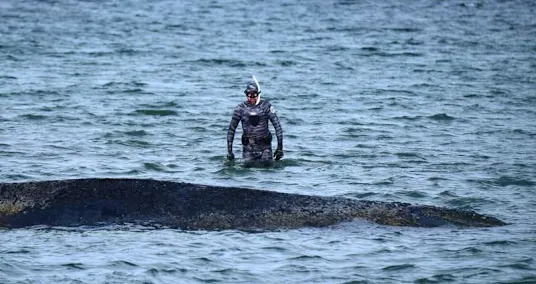
- 3Rescuers again fail to free whale stranded on Germany's Baltic coast
- 4Instructions to Discuss Successfully with Your Auto Collision Lawyer
- 5Flu cases skyrocket in US. See cases, where people got sick.




- Which game do you cherish observing live? Vote!
- Instructions to Decide the Best SUV Size for Seniors
- UK clothing inflation climbs as Middle East turmoil threatens wider price rises
- Artemis II astronauts arrive at Florida launch site for first moon trip in 53 years
- PHOTO ESSAY: Scientists trying to unravel one of the body's biggest mysteries
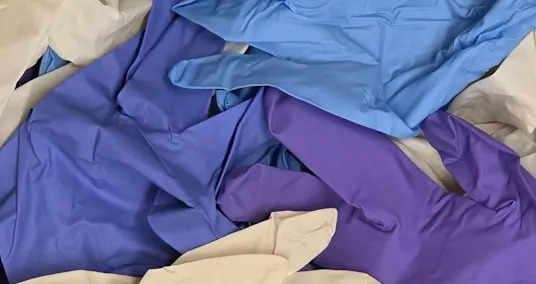
- Scientists may be overestimating the amount of microplastics in the environment – and the culprit is lab gloves
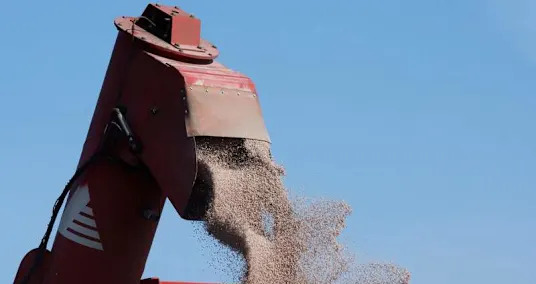
- Iran war drives global fertilizer prices up, raising food cost fears
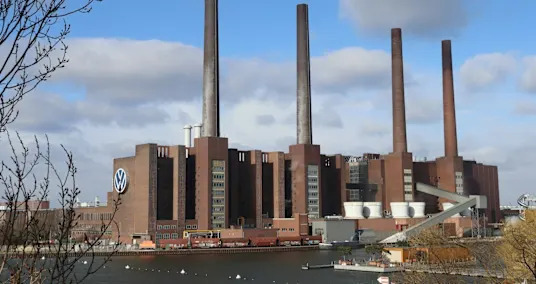
- Volkswagen Plant Could Pivot From Building Cars to Supporting Iron Dome Systems
- Step by step instructions to Pick A Pre-owned vehicle Stage